
Android XR Explained: Google's New VR and AR Platform

 7 min. read
 Updated on
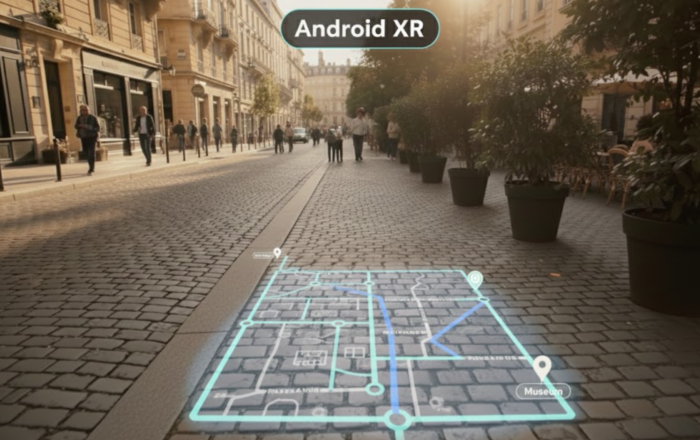
Google changed the game for virtual and augmented reality when it announced Android XR in December 2024, bringing its mobile operating system into headsets and smart glasses for the first time since Daydream VR flopped years ago.
This isn’t just another failed experiment, as Samsung launched the Galaxy XR headset in October 2025, making it the first device running the new platform. Android XR represents Google’s most serious push into spatial computing, and it’s built around one core idea: Gemini AI should be your companion in extended reality.
Understanding the Basics
Android XR is an operating system designed for headsets, smart glasses, and everything in between. The name uses XR as an umbrella term covering virtual reality, mixed reality, and augmented reality experiences.
Google developed the platform with Samsung and Qualcomm after shelving Project Iris, an internal hardware effort that never reached consumers. The company learned from past mistakes with Glass and Daydream, waiting until AI and display technology caught up to its vision.
The platform works on devices powered by Qualcomm’s Snapdragon XR2+ Gen 2 chip. It supports both video passthrough headsets and optical see-through glasses. Developers can build apps using familiar tools like OpenXR, WebXR, and Unity.
Key Features That Matter
Gemini AI integration sets Android XR apart from competitors. The assistant can see and hear what you experience through device cameras and microphones. You can ask about objects in your environment, request navigation help, or have it organize floating windows around you.
The system runs standard Android apps from the Google Play Store. Millions of mobile and tablet applications work immediately without developers updating code. Native XR apps get deeper integration with spatial features and hand tracking.
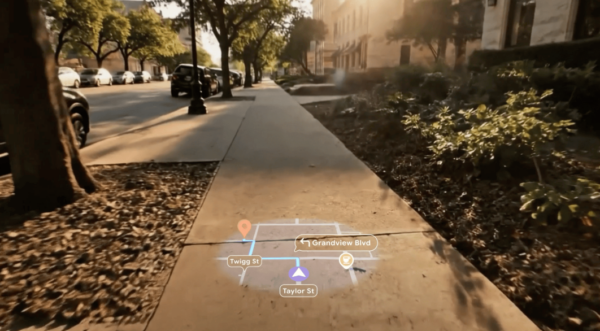
Google optimized its own apps for the platform. Maps provides AR navigation overlays with turn-by-turn directions appearing in your view. YouTube displays immersive 180-degree and 360-degree VR content. The Chrome, Google TV, Photos, and Meet apps all received XR versions.
Circle to Search lets you draw around real-world objects to find information instantly. Point at a landmark, draw a circle, and Gemini pulls up details about what you’re seeing.
Hardware Running Android XR
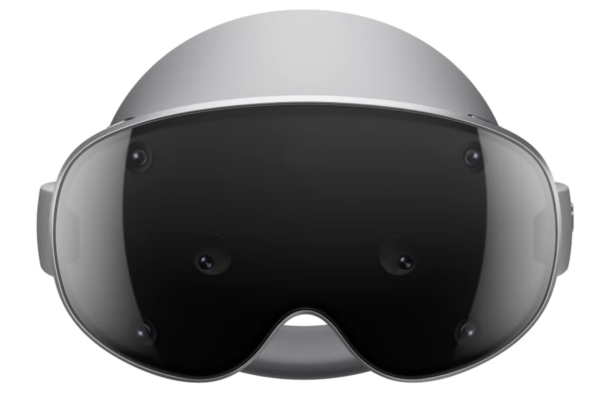
Samsung’s Galaxy XR headset launched as the first device. It features dual 4K micro-OLED displays at 3,552 x 3,840 resolution per eye, supporting 72Hz refresh rates with 90Hz available. The 109-degree horizontal field of view matches many VR headsets.
The device weighs 545 grams, making it lighter than Apple’s Vision Pro. A separate battery pack provides up to 2.5 hours of use for video watching. Hand and eye tracking handle primary input, with optional controllers available separately.
Six tracking cameras, four eye-tracking cameras, and two passthrough cameras capture your environment. A 6.5-megapixel camera records 3D photos and videos. The headset includes 16GB of RAM and 256GB of storage.
Smart glasses represent Android XR’s future direction. Google demonstrated monocular displays that project information into one eye, showing notifications, navigation, and video calls. Screen-less versions with cameras, microphones, and speakers will launch first in 2026, followed by display models.
Partners include Xreal with Project Aura glasses, Gentle Monster for fashion-forward frames, and Warby Parker, bringing prescription options. These devices aim for all-day wearability instead of short VR sessions.
How Android XR Compares to Competitors
Android XR competes directly with Apple’s Vision Pro and Meta’s Quest platform. Each takes a different approach to spatial computing.
Apple emphasizes premium hardware and a closed ecosystem. Vision Pro costs $3,499 and delivers desktop-class performance through its M5 chip. The device excels at crisp text rendering and smooth hand tracking, but has fewer native apps.
Meta dominates the VR gaming market with Quest 3 at $499. The platform offers the largest library of immersive games and social experiences. However, Horizon OS provides minimal productivity features and lacks proper eye tracking.
Android XR positions itself between these extremes. The open platform lets manufacturers create devices at various price points. Samsung’s $1,799 headset costs half what Vision Pro demands while offering similar display quality.
Gemini provides more capable AI assistance than Apple’s limited Siri integration on Vision Pro. The assistant understands context from what you see and maintains conversation history. Meta has no comparable AI features in Quest headsets.
Developer Opportunities
Google released Developer Preview 3 of the Android XR SDK in December 2025. The update officially opened development for both headsets and glasses. An emulator lets developers test experiences without physical hardware.
The Glimmer design language provides guidelines incorporating Material Design principles. Apps should use widget-like interfaces rather than complex UIs. Google wants information presented at a glance instead of requiring deep menu navigation.
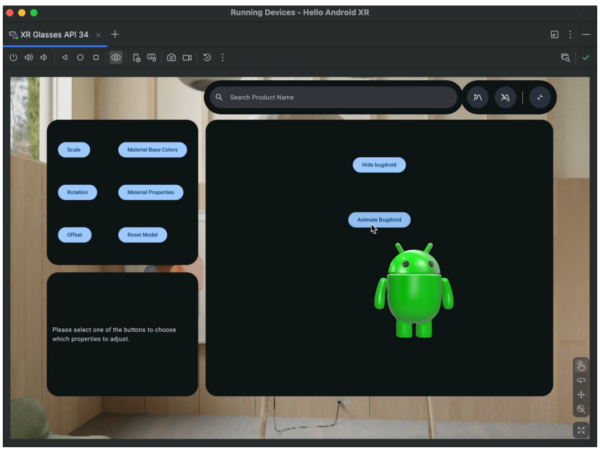
Mobile apps automatically project to XR without extra work. Developers can optimize layouts for spatial environments if desired. Native XR apps access spatial anchors, hand tracking, and other immersive features through standard Android APIs.
Third parties have already built experiences. Adobe created Project Pulsar for immersive video editing. Uber developed AR navigation for finding pickup locations, while GetYourGuide offers travel experiences with spatial information overlays.
Practical Use Cases
Productivity takes center stage for Android XR headsets. PC Connect lets you link Windows computers and place desktop windows alongside Android apps. Multiple virtual screens surround you in any space, replacing physical monitors entirely.
Google Meet supports Likeness, creating realistic digital avatars that mirror facial expressions during video calls. This makes XR meetings feel more natural than talking through a headset.
Entertainment spans streaming services and gaming. YouTube, Netflix, Crunchyroll, and HBO Max provide content on massive virtual screens. Games like NFL Pro Era and Vacation Simulator offer immersive VR experiences, and Adobe’s Project Pulsar enables professional video editing in spatial environments.
Travel Mode stabilizes your view during flights, turning cramped seats into personal cinemas. The feature compensates for plane motion while maintaining a steady picture.
Smart glasses focus on everyday assistance. You can check notifications, get directions, and take photos without pulling out your phone. Real-time translation displays subtitles for foreign language conversations. Location-based information appears when you need it, like nearby restaurant reviews or historical facts about buildings.
Challenges Ahead
Battery life remains limited. Samsung’s Galaxy XR lasts just 2.5 hours on a charge for video watching. The separate battery pack helps but restricts mobility compared to standalone devices.
App availability will determine success. Android XR launched with fewer native experiences than competitors, and the price creates barriers too, with Galaxy XR costing $1,799 compared to Meta’s $499 Quest 3.
What Comes Next
Android XR smart glasses launch in 2026. Screen-less AI glasses arrive first, offering hands-free Gemini assistance through speakers and microphones. Display versions follow with monocular or binocular screens projecting information into your vision.
More hardware partners will announce devices. Qualcomm confirmed Lynx, Sony, and Xreal are developing Android XR products. Magic Leap continues collaborating with Google on AR technology. This ecosystem approach could mirror Android’s smartphone success.
Google will expand platform features. Auto-spatialization converts 2D content into 3D experiences. Travel mode improvements should handle various motion types beyond flights. Deeper integration with Google services will add capabilities over time.
Is Android XR Worth Your Attention?
Android XR matters because Google finally committed to extended reality with real hardware partners and a clear direction. The platform combines Android flexibility with AI assistance in ways competitors haven’t matched.
Gemini integration makes the biggest difference. Having an AI assistant that sees your world and responds naturally changes how you interact with technology.
Early adopters can explore spatial computing today with Galaxy XR for $1,799, although most people should wait for the 2026 Google smart glasses, which promise more practical everyday utility at lower prices.


Improve this guide

User forum
0 messages